


conservation

Caught on camera, it's the first baby beaver to be born on the moor for 400 years.
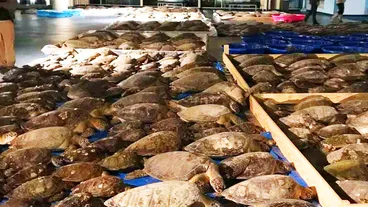
Thousands of sea turtles cold-stunned by the plunge in temperatures have been washing up on the beaches of South Padre Island, off the southern coast of Texas. Volunteers have brought over 4,700 of them to a convention centre, where they are being kept in tubs and enclosures before they can be released when the water is warmer.

Beavers were hunted to extinction centuries ago, but these 15 families of beavers are the first to live wild in Britain and have finally been given a permanent home.

Ticket sales are vital for animal upkeep and conservation, zoos say. So is it time they reopen?

The iconic landmark has been under wraps for more than two years.
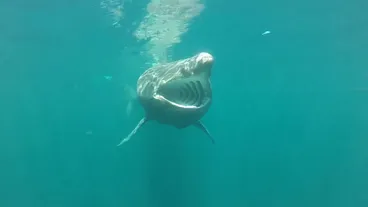
An autonomous “SharkCam” has been used in the UK for the first time as part of efforts to reveal the secret lives of basking sharks.Scientists have now begun tagging the sharks around the Inner Hebrides so an autonomous underwater vehicle (AUV) can follow them below the surface of the water.

"Almost certainly it won’t be as rich as it was," says broadcaster.

According to the Living Planet Report 2018, animal populations have declined by 60% on average since 1970. The major study by the World Wide Fund for Nature (WWF) calls on heads of state to step up and fight for our planet.

“We are the first generation to know and the last that can do anything about it."

"Anyone can take part... even from bed." 🦉