Medical whistleblowing has featured in countless newspaper headlines. The stories are usually victim-focused, implying that if you blow the whistle, your life is automatically destroyed. While that may be true in some cases, the stereotypical "victim" imagery is not constructive, helping neither the psychology of the individual whistleblower, nor the system that spawned them.
Having easy access to reliever inhalers, when you have forgotten to bring one with you, must surely be a good thing?
There was a strange disconnect between the historical pageant which opened the Olympic Games and reality in London today-not to mention the plutocrats in the VIP seats. While people cheered the suffragettes, the CND symbol, the lesbian kiss, the Sex Pistols, and of course the NHS, in the real austerity Britain the politicians and businessmen watching are bringing us more wars, privatising everything in sight and curtailing the right to protest.
The Liverpool Care Pathway, a protocol normally used for the "dying patient", came under extensive scrutiny by the media recently.
With the first census figures arriving today, we can expect a slew of alarmist stories about the dire demographic and social consequences of immigration. Many of these stories will cite public opinion surveys showing that the majority of British voters hold negative views about migration, and want it reduced.
The big innovation in the 19th and 20th century was the acknowledgement that health is a systemic issue. If people do not seek medical advice for small problems due to economic reasons, these small problems can become big problems and cause further poverty. This realisation led, for example, to the establishment of the NHS in 1948.
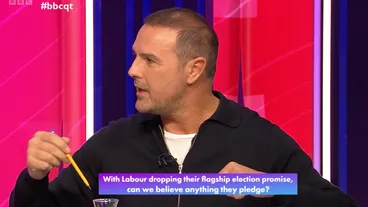
If Labour act now voters might believe they actually mean it. With the assertion of strong principle-backed policies - something a limping coalition will find it awkward to counter - Labour could create a bond with the electorate, a rallying call to prevent the opposition sliding into ignominy as one of the great political chickens of the era.
What the heck is this? I've been trying and failing to stop the government from privatising the NHS for years, and now a private healthcare company has emailed me about a job! Here's what I have replied:
My natural birth was made chemical, forceful, medical and surgical. The most important question here though is... Am I bothered? Well if you'd told me in advance this was how things might go, then I would have thought I'd be devastated. But in reality I'm happy.
Hollywood and television commercials present countless images of old age as a time when contented, silver-haired individuals kick back after a life of work and raising families. The reality, however, is often very different and why, in truth, many people are a little scared of growing old.
The Department of Health guidance on fair access to care services is titled "prioritizing need in the context of putting people first".
As the government looks for new ideas for economic growth and job creation, and Rio+20 looks for a greater commitment to sustainability, the NHS can truly lead the world in advanced energy systems, in lean delivery systems, and in new technologies.
When they leave our centres most women say to us: "Thank you for looking after me, but you won't see me here again." Something is going wrong somewhere, and we want to help put it right.
Last year, I was asked by The Crescent, an organisation which provides support to people living with, or affected by HIV/AIDS, to become a Patron of their charity, and to become involved in the fundraising that goes with providing such services.
How we treat people at the end of life is the mark of our society and we only get one chance to get it right. It is time to forget about taboos, to find out what people's end of life wishes are and to act now to improve the system so that these can be respected. If we don't, people will continue to die alone in hospital unnecessarily.