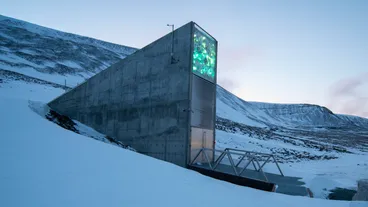
A diverse ecosystem means a productive ecosystem, as each small part that makes up the larger whole plays a vital and important part in keeping the machine functioning. With millions of species in the world, biodiversity is one of our biggest economic resources for medicine, food and natural materials.
There is a role that we all have to play in responding to the changing skills needs that we will continue to face, and the diversity of the sector will mean that different organisations will need to reflect on these broader themes and identify priorities and appropriate solutions that work for them.
Walking up to 30 minutes burns up to 130 calories, not to mention helps you relax. Next time you have a stressful day at work, instead of hopping on the bus stick those headphones in and enjoy a brisk walk home, it will even help you work up an appetite for dinner!
Food shortages in India are compounded by a lack of cold-chain storage facilities, but a new solar-powered cold storage device, developed by the University of Cincinnati in partnership with industry, could put this problem on ice.
One day, and maybe one day soon, we are going to have to face up to the mistakes we have made when it comes to the climate. I'm not saying we are facing a 'Day after Tomorrow' style extinction event, but whatever happens it's not going to be good.
Learning and accountability is firmly on the NGO agenda nowadays and for Action Against Hunger, it is something we take very seriously. We dedicate a lot of energy into evaluating our programmes, learning from them and, fundamentally, holding ourselves to account for them.
In the coming weeks UN, NATO, EU, USA, Russia, Qatar, Saudi Arabia, Turkey, Israel and many others will have intense debates on what to do. Will the talking heads finally reach common ground and start acting accordingly? Stopping this war, is it really too complex, as many people tend to think? I don't think so.
I'm here in Paris a few days out from the symposium being held at the Institut Pasteur to mark the 30th anniversary of the discovery of HIV... I do not think we can underestimate the degree to which science has so significantly shifted the direction of an epidemic - HIV science has provided lessons for all of us working in the field but also for many of those working in other branches of medicine. As many of my colleagues will undoubtedly reiterate over the coming days, the role of HIV science in responding to the HIV/AIDS epidemic has also changed forever the way in which we deal with global health.
Like so many sufferers, Joan and Gracie are both under 24-hour care after endangering their lives and putting their families through agonizing worry. From leaving taps running and stove fire burning to wandering to the shops wearing pyjamas and sitting at the bus stop at midnight waiting hours on end for the bus.
Bee numbers have been on the decline since the Sixties, so it is crucial to raise as much awareness as possible around their economical and environmental importance to encourage people to show their support for the British bee.
Aaron spent two happy years at the school and settled in well. He thrived in its challenging environment, made lots of new friends and formed bonds with his teachers. Then, in the middle of 2012, the Council told me that they wanted to take Aaron out of his school.
Despite a major theme of the post-2015 consultations being the need to better integrate environmental and development targets, the largest aid groups rarely mention the significant barriers to pursuing these quite different goals simultaneously.
At the moment people who help a loved one to die are investigated afterwards & since DPP guidelines were issued to treat these cases with compassion in 2009, there have been no prosecutions of people assisting a loved one to die indirectly.
We know from our own work with families that children who come from vulnerable and disadvantaged families are most at risk of experiencing problems with school readiness. In 2011 the Sutton Trust found that children who come from low-income or disadvantaged families are often up to a year behind in their development...
Every day, rapid growth and urbanization increase the exposure of people and assets to earthquakes, floods, storms and other natural hazards... While disasters affect everyone, it is the poor and vulnerable - women, children, the elderly, and those recovering from conflict - who are most exposed. When hazards strike, their homes in fragile and often low-lying environments take the brunt of the impact.
I had sat with Nic as he had battled with the company over this decision, reading the letters he obtained from his doctors calling the company's decision "cruel and highly distasteful." I promised him then that I would continue to fight for the family when he was gone.