Featuring fresh takes and real-time analysis from HuffPost's signature lineup of contributors
Glen Matten

GET UPDATES FROM Glen Matten
 

Brain Food...What About Brain Drinks?

Posted: 28/09/2012 01:00

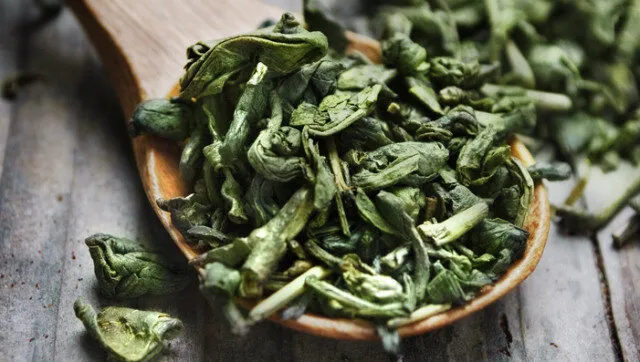
Is there anything us Brits cherish as dearly as a cuppa? According to the UK Tea Council, the British are the largest per capita tea consumers in the world, and as a nation we get through a staggering 165 million cups a day. As such, tea is enshrined in our culture, in fact, so hallowed is it that even our employers grant us respite from work for a 'tea break'. As an avid tea drinker myself, recent research about the effects of green tea on the brain got me musing about our penchant for tea, and whether it's time to take a leaf from the Orient, where green tea, rather than black tea, is the beverage of choice.

Both types of tea are made from the same Camellia sinensis leaves, the difference solely relating to their processing, with the leaves used for black tea undergoing oxidation by fermentation, whereas those used for green tea are simply lightly steamed and dried. Importantly, this process significantly alters the pharmacological properties of tea and it is a group of plant compounds called catechins (the subject of intense interest for their health benefits) which are altered, so whereas green tea boasts a 30-40% catechin content, this shrinks to a mere 3-10% for black tea.

A piece of research just published studied the effects of a major type of catechin found in green tea, epigallocatechin-3-gallate (EGCG), and found that it promoted the generation of cells in the hippocampus (the part of the brain that processes information relating to short-term and long-term memory) in both lab tests and mice [1]. The mice, imbibed with EGCG, performed better on tests that indicated the green tea compound improved learning and memory. It suggests that this constituent of green tea, by stimulating the growth and development of important neural cells, could give a brainy boost and be a candidate for improving cognitive function and even preventing memory loss and neurodegeneration.

We've all heard the idiom about 'brain food', but could green tea represent a 'brain drink'? Of course, in the rush of enthusiasm about research such as this, we won't slip on the classic banana skin and start extrapolating wildly about the miracle benefits of green tea for brain health simply based on cell culture or animal studies alone, but it does prompt a wider look at what other research has to say on the matter.

In another recent study, researchers used MRI technology to show that drinking a green tea enriched beverage increased activation in the dorsolateral prefrontal cortex, a part of the brain linked to working memory [2]. And this seems to fit with a growing body of evidence to show that flavonoid-rich foods/beverages (and here we wouldn't just include green tea, but also berry fruits and cocoa) have the potential to slow the progression of neurodegenerative diseases (such as Alzheimer's disease) and to promote cognitive performance [3].

And if that's not enough to whet your appetite for green tea, then other more widely publicized health benefits attributed to green tea drinking include protection against cardiovascular disease, potential effects on warding off certain cancers, benefits for oral health, and modest benefits for weight loss too [4].

I'm not for a minute knocking black tea. As far as beverages go, it's a pretty healthy choice in its own right, proffering a bountiful source of health enhancing flavonoids. But those looking for the edge when it comes to their health, and specifically giving their grey matter a boost, might do well to go green.

[1] Wang Y et al (2012) Green tea epigallocatechin-3-gallate (EGCG) promotes neural progenitor cell proliferation and sonic hedgehog pathway activation during adult hippocampal neurogenesis. Mol Nutr Food Res 56(8):1292-303

[2] Borgwardt S et al (2012) Neural effects of green tea extract on dorsolateral prefrontal cortex Eur J Clin Nutr 2012 Aug 29 [Epub ahead of print]

[3] Williams RJ, Spencer JP (2012) Flavonoids, cognition, and dementia: actions, mechanisms, and potential therapeutic utility for Alzheimer disease. Free Radic Biol Med. 52(1):35-45.

[4] Mak JC (2012) Potential role of green tea catechins in various disease therapies: progress and promise. Clin Exp Pharmacol Physiol 39(3):265-73


Follow Glen Matten on Twitter: www.twitter.com/healthuncut

FOLLOW UK LIFESTYLE
Is there anything us Brits cherish as dearly as a cuppa? According to the UK Tea Council, the British are the largest per capita tea consumers in the world, and as a nation we get through a staggering...
 
 
  • Comments
  • 7
  • Pending Comments
  • 0
  • View FAQ
Comments are closed for this entry
View All
Recency  | 
Popularity
12:16 AM on 09/29/2012
I may be duplicating a comment, but I don't think I signed in correctly the first time. Phenolic compounds in various fruits, vegetables, spices, essential oils, and yes green tea inhibit one of two enzymes that cause Alzheimer's disease (phospholipase C gamma; the other is phospholipase C beta). Polyunsaturated fats inhibit the activity of both enzymes.

http://www.ncbi.nlm.nih.gov/pubmed/16266772


In India, the life-long consumption of curcumin in curries along with other spices (such as pepper which increases the uptake of curcumin into the bloodstream) likely explains why India has the lowest incidences of Alzheimer's disease in the world. This also explains the benefits of a Mediterranean diet which is high in phenols and polyunsaturated fats. Depending on other risk factors, such a diet might prevent or at least delay the onset of Alzheimer's disease.
12:02 AM on 09/29/2012
Methoxyphenols which reach the brain in sufficeint amounts can partially reverse Alzheimer's disease. These include eugenol in various essential oils (bay laurel, clove, basil, nutmeg, rosemary,etc.) via aromatherapy and vanillic acid, ferulic acid, p-coumaric acid, and syringic acid in sun ginseng (heat-processed ginseng). Indeed, aromatherapy with various essential oils and heat-processed ginseng have improved cognitive function in human beings with Alzheimer's disease.

http://onlinelibrary.wiley.com/doi/10.1111/j.1479-8301.2009.00299.x/full

http://www.ingentaconnect.com/content/ben/cbc/2006/00000002/00000001/art00005

http://www.ncbi.nlm.nih.gov/pubmed/22780999

http://www.ncbi.nlm.nih.gov/pubmed/19298205

Once it is understood that peroxynitrites are the cause of Alzheimer's disease and not amyloid plaques it is not a difficult disease to treat. It can be treated cheapily, effectively, and with relatively few side effects with specific methoxyphenols.
11:49 PM on 09/28/2012
The treatment of Alzheimer's disease is more complicated. Phospholipase C leads to the formation of amyloid plaques and more importantly to the formation of peroxynitrites--the true villain in the disease. Peroxynitrite scavengers can be used to treat the disease, but only certain peroxynitrite scavengers are effective enough to partially reverse the disease in human beings. The best compounds are methoxyphenols--much better than the methyl containing compounds currently being used to treat Alzheimer's disease and better than straight phenolic compounds (such as in green tea and cocoa, for example). Methoxyphenols donate two hydrogen atoms and two electrons converting peroxynitrites into water and a nitrite anion. They also inhibit the formation of peroxynitrites and partially reverse they do to critical transport systems, receptors, and proteins in the brain, including those involved in short-term memory, sleep, awareness, alertness, smell, mood, social recognition, brain growth, neurotransmission, and the survival of neurons.
11:42 PM on 09/28/2012
The key to delaying the onset of Alzheimer's can be found in phenolic compounds in various fruits, vegetables, spices, essential oil, and yes, green tea. These phenolic compounds inhibit the activation of one of the two enzymes that trigger the disease: phospholipase C gamma. Fish oil and other polyunsaturated fats may inhibit the activity of both enzymes which trigger the disease: phospholipase C beta and gamma.

http://www.ncbi.nlm.nih.gov/pubmed/16266772


The question of how much you would have to consume to delay the onset of Alzheimer's disease depends upon the metabolism of the particular phenol, how much of it reaches the brain, and what risk factors a person faces. Life-long consumption of curry with curcumin combined with other spices (such as pepper) helps explain why levels of Alzheimer's disease in India are so low. It also explains the potential benefit of a Mediterranean diet not only for the heart but for the brain.
photo
HUFFPOST SUPER USER
fjpoblam
¿did I say something?
12:26 AM on 09/28/2012
Nothing on coffee, eh? I tried tea for a number of years. Various types. "Red zinger" turned out to be my tea of choice for awhile, until I finally switched to the old U.S. standby, coffee. Probably because it's so ubiquitous, and I'm lazy. (That, in itself, doesn't speak well for its "brain-food" qualities, perhaps.)
photo
HUFFPOST BLOGGER
Glen Matten
04:48 PM on 09/28/2012
You pose a good question, and you may be surprised that coffee does have well established health benefits too, most notably for reducing diabetes, a subject I have blogged about here - http://healthuncut.com/2012/04/wake-up-and-smell-the-coffee/
photo
HUFFPOST SUPER USER
fjpoblam
¿did I say something?
07:11 PM on 09/28/2012
Ah. Thanks for the reassurance. Our morning Black Lightning (name of the roast by Dave Black) may not be totally reprobate.