


Haiti

There’s a decidedly different magnitude of focus when it comes to Black and brown people in war-torn countries.
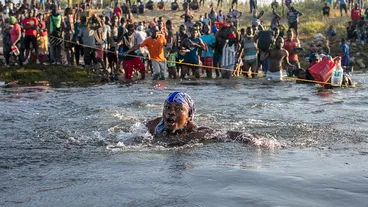
Migrants are enduring horrendous conditions at the Texas border while trying desperately to start a new life in the US.

Haiti has been hit unimaginable, back-to-back natural catastrophes in the last week.

The Duke and Duchess of Sussex encouraged followers to take action to fight "feeling powerless."

Senator Jean-Marie Ralph Féthière fired shots in the air when confronted by protesters on Monday in Port-au-Prince, injuring two people. On the same day, Senator Willot Joseph was also seen brandishing a firearm when confronted by another group of protesters. Months of power outages and fuel shortages have been causing increasing unrest in the country. Haiti is in a dispute with an American energy supplier, after its long-standing deal with Venezuela collapsed due to ongoing unrest in the South American nation.

The charity has been given an official warning.

The charity is on a drive to improve its work culture.

Former aid workers' behaviour 'completely unacceptable' after 2010 earthquake.

26 allegations of misconduct have emerged since the sex scandal came to light two weeks ago.

Mark Goldring apologises for 'murdered babies' defence.